The Invisible Sound Killer: Understanding Phase in Audio Engineering
Phase is the most misunderstood concept in audio engineering. It’s invisible, it’s mathematical, and when it’s wrong, it can make a $100,000 recording sound like it was made in a tin can. If you’ve ever recorded a guitar with two microphones or a drum kit and found that the sound became "thinner" or "weaker" when you combined them, you’ve encountered **Phase Cancellation**. Understanding how to manage the timing of your waveforms is essential for a professional sound. Let's look at the physics of phase.
What is Phase?
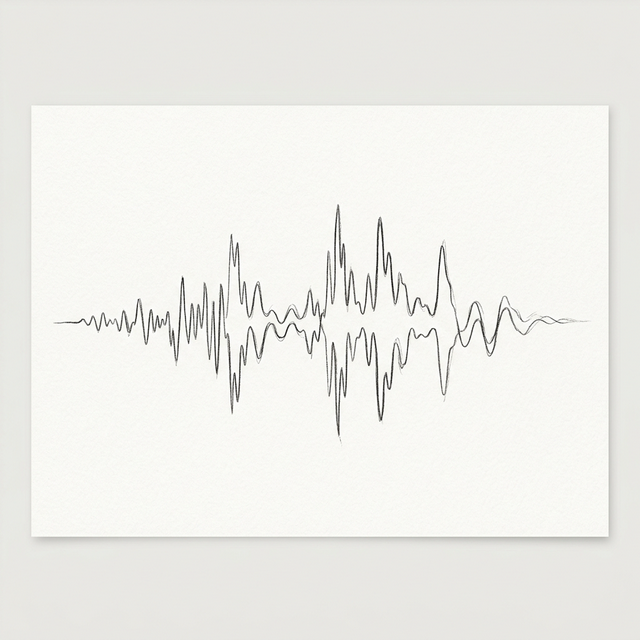
Sound travels in waves. When you have two microphones picking up the same sound source, the sound arrives at each microphone at slightly different times. If the "peak" of one wave aligns with the "trough" of the other, they cancel each other out. This is 180-degree phase opposition. In a PCM waveform, you can see this clearly: one line goes up while the other goes down. The result is total silence or a muffled, "hollow" sound. This is particularly common in the bass frequencies, where the waves are longer and easier to misalign.
The "Phase Flip" Trick
Most professional audio interfaces and DAWs have a "Phase Invert" button (often marked with a Ø symbol). This simply flips the waveform upside down. If your snare drum sounds "thin" when you add the bottom mic, flipping the phase on the bottom mic usually brings back the "thump." On our **PCM Audio Toolbox**, we provide a "Phase Preview" mode that allows you to visually check if your left and right channels are in alignment before you convert to stereo. It’s a small step that prevents permanent damage to your mix.
Mono Compatibility
Why does phase matter if it sounds okay in stereo? Because many playback systems (like club speakers, phone speakers, or smart assistants) are **Mono**. If your stereo mix has phase issues, those sounds will simply disappear when played in mono. This is called "Phase correlation." Always check your mix in mono. If the vocals or the kick drum get significantly quieter, you have a phase problem. Professional engineers use a "Correlation Meter" to ensure their tracks are ready for any speaker system, anywhere.
Conclusion
Phase is the foundation of a "solid" mix. By paying attention to the timing and alignment of your waveforms, you ensure that your audio has the impact and clarity it deserves. Don't let the "invisible killer" ruin your hard work—check your phase, trust your ears, and use our visual tools to verify the math.