Mastering Loudness: The LUFS War and Why it Matters in 2026
For nearly two decades, the music industry was locked in what engineers called the "Loudness War." The goal was simple: make your track louder than the competition's. The logic was that "louder sounds better" to the average listener. However, this came at a massive cost—dynamic range. Music became a flat wall of sound with no impact, no breath, and no soul. In this deep dive, we’ll explore how Streaming Services and the **LUFS** standard finally ended the war and why you should care.
The Rise and Fall of the Brickwall Limiter
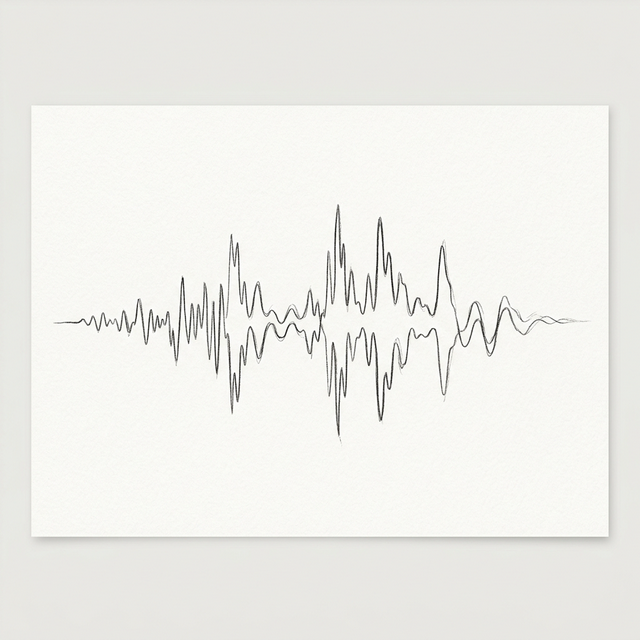
In the 90s and 2000s, mastering engineers used "Brickwall Limiters" to smash the peaks of a waveform. By cutting off the highest points, they could raise the overall average volume of the track. If you look at a waveform from that era, it looks like a solid block of ink. While this worked for CD players, it created "ear fatigue." Listeners would subconsciously turn the music off because their brains were overwhelmed by the constant, unyielding pressure of the sound.
What is LUFS?
LUFS stands for **Loudness Units relative to Full Scale**. Unlike traditional "Peak" or "RMS" meters, LUFS is designed to mimic how the human ear actually perceives volume. It takes into account the frequencies and durations of sounds. Today, platforms like Spotify, Apple Music, and YouTube use LUFS to normalize all tracks to a standard level (typically -14 LUFS). If you upload a "smashed" track that is at -6 LUFS, the streaming service will simply turn it down. The result? Your track sounds quieter and thinner than a track with healthy dynamics. The incentive is now to make music sound *good*, not just loud.
How to Prepare Your Audio for Normalization
When using our **Online Audio Converters**, you might notice that some files sound different after conversion. This is often because of how the peak levels interact with codec compression. To master your audio for 2026, you should aim for a "True Peak" of no higher than -1.0dB. This ensures that when your WAV is converted to a lossy format like AAC or Opus, the resulting "inter-sample peaks" don't cause digital distortion. By maintaining a dynamic range (PLR - Peak to Loudness Ratio) of around 9 to 11, you ensure your music has "punch" even after the streaming algorithms do their work.
The Future of Loudness
We are entering a new golden age of fidelity. Audiophiles are returning to vinyl and high-res PCM because they want the dynamics that the Loudness War stole. As developers and creators, understanding LUFS allows you to deliver a consistent, high-quality experience to your users. Whether you're mastering a podcast or an EDM track, remember: headroom is your friend. Our tools are designed to facilitate this by providing transparent, high-bit-depth processing that never "crushes" your transients unless you explicitly tell it to.
Conclusion
The Loudness War is over, and music won. By mastering to LUFS standards instead of hitting the 0dB ceiling, you are preserving the emotional intent of your audio. Use our **Precision Audio Tools** to monitor your levels and ensure your exports are ready for the global stage.