Compression 101: Taming the Dynamics of a Raw Audio Signal
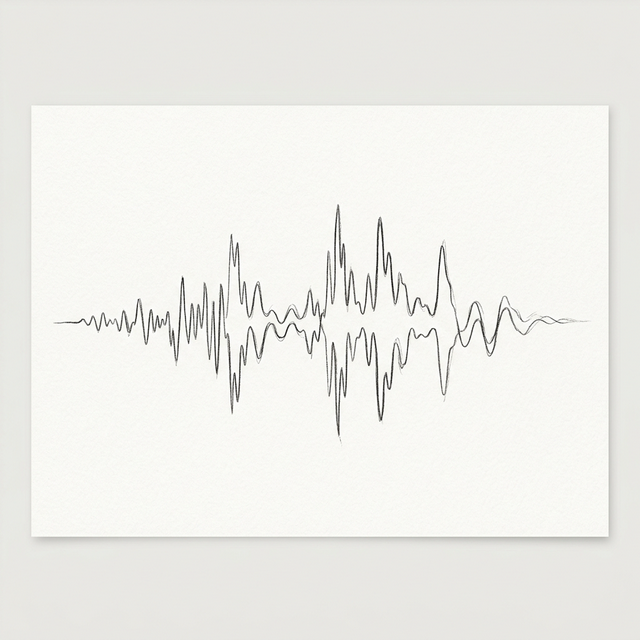
If there is one effect that defines the "professional" sound of modern audio, it is **Dynamic Compression**. Newcomers often think compression makes things "quieter," while others think it makes things "louder." In reality, a compressor does both! It reduces the dynamic range—the distance between the quietest and loudest parts of a signal. This results in a sound that is consistent, upfront, and "solid." Let's break down the basic controls of a compressor.
Threshold and Ratio: The Rules of Engagement
The **Threshold** is the volume level where the compressor starts working. Anything below the threshold is left alone. Once a peak crosses the threshold, the **Ratio** determines how much it is turned down. For example, a 4:1 ratio means that for every 4dB of volume that goes *over* the threshold, only 1dB comes out. A 2:1 ratio is gentle and musical, while a 10:1 ratio is "limiting" and can sound aggressive. Finding the right balance is the key to a natural sounding production.
Attack and Release: The Timing
These are the most critical controls for "feeling." **Attack** determines how fast the compressor reacts. A fast attack will squash the "snap" of a drum, making it sound soft. A slow attack lets the initial "transient" through before clamping down, keeping the punch intact. **Release** determines how quickly the compressor stops working after the signal drops below the threshold. If the release is too fast, you get "pumping" (audible volume breathing). If it's too slow, the compressor never resets, making the audio sound dead and lifeless.
Makeup Gain: The Final Boost
Because the compressor has turned down the loudest parts, the overall volume of the track has decreased. **Makeup Gain** allows you to raise the entire signal back up. The result? The quiet parts (like the breath of a singer or the tail of a reverb) are now much louder and more audible, while the loud parts are kept under control. This "thickening" effect is what makes professional recordings sound so much "larger" than raw home recordings. Use our **Online Compressor** module to experiment with these settings on your PCM files!
Conclusion
Compression is the "glue" of audio. It creates consistency and power. But remember: a little goes a long way. Over-compressing can remove the life from a performance. Use your ears, watch your meters, and aim for a balance that feels controlled but still has room to breathe.